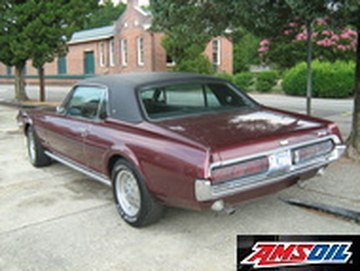
Lubrication Maintenance for the 1981 Mercury XR7 4.2L
Maintaining a vehicle from the early 1980s requires a shift in perspective compared to modern automotive care. For owners of a 1981 Mercury XR7 equipped with the 4.2L engine, routine service is not just about following a schedule, but about active monitoring and understanding how aging components interact with various fluids. Proper lubrication management is a cornerstone of preserving the mechanical integrity of this engine over time.
Monitoring Fluid Integrity and Condition
One of the most effective ways to assess the health of an engine is through regular observation of its lubricants. Rather than relying solely on mileage, owners should periodically inspect the appearance and consistency of the engine oil. While fresh oil has a distinct, translucent quality, older oil can become dark or cloudy due to various factors.
When performing routine checks, look for any signs of unusual texture or odor. If the lubricant appears excessively thick or contains visible particulates, it may indicate that the oil is no longer providing the necessary protection or that there is internal debris present. Furthermore, if you notice a significant change in how the engine sounds during operation—such as increased mechanical noise—it warrants an immediate investigation into the lubrication system to ensure all components are receiving adequate coverage.
It is also important to watch for external signs of fluid movement. Inspecting the area around the engine for any evidence of seepage or active leaks can help identify aging gaskets or seals before they lead to more significant issues. Even a small amount of moisture appearing on sealing surfaces should be noted and addressed as part of a proactive maintenance strategy.
Prioritizing Long-Term Engine Care
As vehicles age, the approach to maintenance often evolves from simple part replacement to condition-based management. For a 1981 Mercury XR7, this means using the current state of the vehicle to dictate service priorities rather than strictly adhering to outdated or generic intervals.
If you are beginning ownership without a complete service history, establishing a maintenance baseline is a logical first step. This involves performing a comprehensive inspection of all major fluid-carrying systems and documenting the condition of every component found. By creating this baseline, you can more easily identify when a part is actually deteriorating versus when it is simply old. For example, an aging hose or belt may still be perfectly functional; however, by noting its current condition, you can monitor it for future cracking, glazing, or fraying.
Effective long-term ownership also involves distinguishing between preventive maintenance and unnecessary repairs. Not every component that is decades old requires immediate replacement. Instead, focus on addressing active warning signs—such as visible leaks, unusual consumption of fluids, or changes in engine performance—while maintaining a rigorous schedule for the most critical lubrication tasks.
Observing Potential Warning Signs
Understanding the symptoms that may indicate a need for service is vital for preventing unexpected mechanical issues. It is important to remember that many symptoms can have multiple underlying causes, so an observation should be treated as a prompt for inspection rather than a definitive diagnosis.
- Fluid Consumption: If you find yourself needing to add oil more frequently than in the past, this may indicate a change in how the engine is managing its lubricant. This warrants a thorough check of all seals and gaskets for signs of leakage.
- Visual Indicators: Any warning lights or indicators on the dashboard related to the lubrication system require immediate attention. Similarly, any unusual smoke from the exhaust should be investigated to determine if it is associated with oil entering the combustion process.
- Thermal Management: Evidence of overheating can sometimes be linked to improper lubrication or cooling system issues. If the engine temperature fluctuates unexpectedly, it is a sign that the vehicle's thermal stability may be compromised.
By staying observant of these subtle changes, an owner can move from reactive repairs to a more controlled, proactive maintenance routine.
Managing Aging Components and Seals
Over several decades, materials such as rubber, cork, and various synthetic compounds used in gaskets and seals can undergo changes in their physical properties. In a 1981 Mercury XR7, these components are subject to heat cycles and environmental factors that may lead to increased permeability or loss of elasticity.
When inspecting the engine, pay close attention to areas where fluids meet metal surfaces. While some minor seepage is not uncommon in older engines, an increase in the amount of fluid present can indicate that a seal is nearing the end of its effective service life. If equipped with various belts or hoses, these should also be checked for signs of age-related deterioration, such as hardening or surface cracking. Maintaining a clean engine bay can actually assist in this process, as it makes it much easier to spot new leaks or weeping seals that might otherwise be hidden by grime.
Effective Record Keeping for Service History
For any classic or older vehicle, the quality of maintenance is often reflected in the documentation provided by the owner. Keeping a detailed log of all fluid changes, filter replacements, and mechanical repairs provides an invaluable resource for both the current owner and any future technicians.
A well-maintained record should include not just the date and mileage of service, but also specific observations made during inspections. For instance, noting that "a small amount of seepage was observed on a specific seal" allows you to track whether that condition is stable or worsening over time. This level of detail helps in making informed decisions about when a component truly needs replacement, preventing both premature part failure and unnecessary expenditures.
Practical Advice for Buying Engine Oil for the 1981 Mercury XR7 4.2L
When it is time to replenish your engine's lubricant, the most important step is ensuring that the product you select matches the specific requirements of your engine. Because different formulations offer different properties, such as varying levels of oxidation resistance or deposit control, you must verify the application details before making a purchase.
To ensure proper protection for your 4.2L engine, match the engine oil to the application-specific viscosity information already displayed on this page. Do not rely on general automotive knowledge or assumptions based on the vehicle's age to determine the correct grade. When shopping, check the product labels carefully to confirm they meet the necessary standards and align with the guidance provided in the technical specifications above. Depending on your specific needs, you may encounter various options including conventional, synthetic blends, or full synthetic oils; always prioritize the viscosity and application data listed here to ensure the best possible results for your 1981 Mercury XR7.